

Audemars Piguet watches are made in Le Brassus, Switzerland, at the company’s own manufacture in the Vallee de Joux, one of the historic birthplaces of Swiss mechanical watchmaking.
Unlike most major luxury watch brands, Audemars Piguet is not owned by a large conglomerate such as Richemont, LVMH or The Swatch Group. It remains majority owned by descendants of its founding families.
This independence lets Audemars Piguet control its entire production process internally, from raw movement components to final case assembly, largely within its original home village.
The brand is best known for the Royal Oak, widely credited with inventing the luxury steel sports watch category in 1972 and reshaping the entire industry’s approach to design.
This guide covers Audemars Piguet’s ownership, founding history, manufacturing locations, current collections, pricing, and how it compares with Rolex and Seiko.
Table of Contents
Who Owns Audemars Piguet?

Audemars Piguet remains privately held and majority owned by descendants of its two founding families, the Audemars and the Piguet families, making it one of the last major Swiss watchmakers to avoid acquisition by a large luxury group.
Ilaria Resta has served as chief executive officer since 2023, bringing outside leadership experience into a company whose ownership has otherwise remained tightly held within the founding bloodline since 1875.
This family control is a central part of Audemars Piguet’s marketing identity, and the brand frequently emphasizes its independence as evidence that it answers to its own long term vision rather than shareholders or a parent conglomerate.
When Was Audemars Piguet Founded?
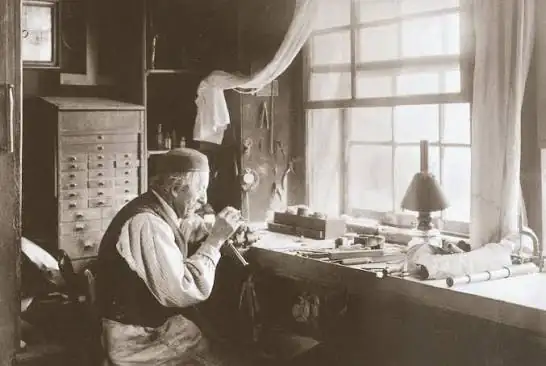
Audemars Piguet was founded in 1875 in Le Brassus by Jules Louis Audemars and Edward Auguste Piguet, two watchmakers from families that had already worked in the Vallee de Joux’s watch industry for generations.
The company built an early reputation for complicated movements, including some of the thinnest pocket watch calibers of the era, long before it became known for sport watches.
That reputation for complications continues today, and Audemars Piguet remains one of the few brands capable of producing grand complications, including perpetual calendars, minute repeaters and tourbillons, largely by hand.
Where Are Audemars Piguet Watches Made?

Audemars Piguet manufactures its watches at its historic headquarters and production facilities in Le Brassus, supplemented by an additional assembly site in Meyrin, near Geneva.
The brand also operates the Musee Atelier Audemars Piguet, a museum and working watchmaking facility in Le Brassus that opened in 2020, combining public exhibits with live production of complicated movements.
Because nearly every stage of production, from movement design to case finishing, happens inside these Swiss facilities, Audemars Piguet is considered one of the most vertically integrated manufactures in the entire watch industry. Additional details are on Audemars Piguet’s official website.
The Story Behind the Royal Oak
In 1972, designer Gerald Genta created the Royal Oak for Audemars Piguet, introducing an octagonal steel case with exposed screws and an integrated bracelet at a time when steel watches were considered far less prestigious than gold.
The design was controversial at launch because it priced a steel sports watch at roughly the same level as a gold dress watch, a decision many in the industry expected to fail.
Instead, the Royal Oak became one of the most influential and copied watch designs in history, and it remains Audemars Piguet’s flagship collection, later expanded into the sportier Royal Oak Offshore line in 1993.
What Watches Does Audemars Piguet Currently Make?
The Royal Oak and Royal Oak Offshore collections make up the majority of Audemars Piguet’s production, spanning simple three hand models up to chronographs and grand complications.
The Code 11.59 collection, launched in 2019, represents the brand’s attempt to build a modern round cased alternative to the Royal Oak, aimed at buyers who want Audemars Piguet’s complications without the octagonal design.
Audemars Piguet also produces a small number of extremely limited grand complication pieces each year, some of which take multiple watchmakers over a year to assemble by hand.
How Much Do Audemars Piguet Watches Cost?
Entry level steel Royal Oak models generally start between 20,000 and 35,000 dollars, though official retail waiting lists mean many buyers pay significant premiums on the resale market.
Royal Oak Offshore chronographs and precious metal models typically range from 40,000 to 100,000 dollars, while grand complications and limited editions can exceed several hundred thousand dollars.
This pricing places Audemars Piguet firmly among the small group of brands, alongside Patek Philippe and Richard Mille, that operate at the very top of the luxury watch market.
Audemars Piguet vs Rolex vs Seiko: How Do They Compare?
Audemars Piguet and Rolex both dominate the luxury watch conversation, though Rolex produces roughly a million watches a year while Audemars Piguet produces a small fraction of that, a contrast explained in our guide to where Rolex watches are made.
That scarcity is a major reason Audemars Piguet watches often trade above retail price on the secondary market, similar to Rolex’s most in demand sport models.
Seiko, covered in our article on where Seiko watches are made, sits at the opposite end of the market entirely, producing millions of affordable watches a year compared with Audemars Piguet’s deliberately limited annual output.
Is Audemars Piguet Worth Buying?
Audemars Piguet is generally considered one of the strongest choices in ultra luxury watchmaking for buyers who specifically want the Royal Oak design and genuine independent manufacture credentials.
On the positive side, Audemars Piguet offers deep complication expertise, family owned independence, historic design influence through the Royal Oak, and strong long term resale demand on key references.
On the downside, official retail access is extremely limited, waiting lists for popular models can stretch for years, and entry prices are high even by luxury watch standards.
Overall, Audemars Piguet remains one of the most respected names among serious collectors, largely because its independence lets it prioritize watchmaking craft over shareholder pressure. Wikipedia’s overview of Audemars Piguet’s history covers additional milestones.
Why Audemars Piguet Stayed Independent
During the 1970s and 1980s quartz crisis, many Swiss watchmakers merged or sold themselves to survive, eventually consolidating into the large conglomerates that dominate the industry today, including Richemont, LVMH and The Swatch Group.
Audemars Piguet’s founding families instead chose to keep the company private, betting that continued family ownership would let the brand focus on complicated mechanical watchmaking even during periods when quartz watches dominated global sales.
That decision is now viewed as one of the most successful bets in modern watchmaking history, since Audemars Piguet’s continued independence is a major part of its appeal to collectors who value brands free from conglomerate shareholder pressure. Further background is available from this history of Audemars Piguet.
How Audemars Piguet Trains Its Watchmakers
Audemars Piguet runs its own internal apprenticeship and training programs in Le Brassus, since the highly specialized hand finishing techniques used on grand complications are not widely taught outside a small number of Swiss manufactures.
Many watchmakers spend years training on simpler movements before being allowed to work on the brand’s most complicated pieces, a system designed to preserve traditional finishing techniques such as hand beveling and Geneva striping.
This investment in internal training is part of what allows Audemars Piguet to keep nearly all of its complicated watchmaking inside its own walls rather than outsourcing specialized work to independent artisans, which remains common elsewhere in the industry.
Audemars Piguet’s Environmental and Regional Commitments
As one of the largest employers in the sparsely populated Vallee de Joux region, Audemars Piguet has invested heavily in local infrastructure, education programs and sustainability initiatives tied directly to its home village.
The brand has also worked to reduce its environmental footprint across its supply chain, including sourcing responsibly mined gold and diamonds for its precious metal and gem set models.
That combination of local investment, internal training and responsible sourcing has helped Audemars Piguet maintain strong support from the small community that has produced its watchmakers for nearly one hundred and fifty years.
For collectors, this history adds a layer of authenticity that mass produced brands struggle to replicate, since a Royal Oak purchased today is still built in the same village where the company was founded in 1875.
It also explains why demand for the brand keeps climbing even as prices rise, since scarcity, heritage and hand craftsmanship are difficult for larger competitors to replicate at scale.
Frequently Asked Questions About Where Audemars Piguet Watches Are Made
Is Audemars Piguet still family owned?
Yes. Audemars Piguet remains majority owned by descendants of its founding Audemars and Piguet families, making it one of the few large luxury watch brands not controlled by a corporate conglomerate.
Where exactly does Audemars Piguet make its watches?
Audemars Piguet manufactures its watches primarily in Le Brassus, in the Vallee de Joux region of Switzerland, with an additional assembly facility located in Meyrin near Geneva.
Who is the current CEO of Audemars Piguet?
Ilaria Resta has served as chief executive officer of Audemars Piguet since 2023, while ownership remains with the founding families rather than an outside investor group.
Why is the Royal Oak so expensive?
The Royal Oak’s price reflects its complicated in house movements, extensive hand finishing, limited annual production, and its historic status as the watch that created the luxury steel sports watch category in 1972.

I am Jack Neel, a mechanical engineer, researcher, and writer. I created this website to share my knowledge about different brands and products with you. I research the manufacturers behind the brands and provide you with the information you need to make smart buying decisions.